
Recovering after a house fire is overwhelming, and in Houston, fast action matters. Between heat, humidity, and the potential for additional water exposure from firefighting efforts, damaged properties can deteriorate quickly if restoration is delayed. Post-fire care is not simply about cleaning visible damage; it involves protecting structural materials, controlling smoke contamination, and preventing secondary issues from developing.
Professional Fire Damage Restoration services are designed to help homeowners move from emergency response to full recovery through assessment, cleanup, odor removal, structural restoration, and coordinated repair planning. Fire restoration providers commonly include emergency board-up, smoke cleanup, drying, and reconstruction services as part of the recovery process.
Prioritize Safety Before Re-Entering the Property
After emergency crews clear the site, avoid assuming the home is safe to enter.
Post-fire risks may include:
- Structural instability
- Hidden electrical hazards
- Smoke and soot contamination
- Water accumulation from suppression efforts
- Damaged HVAC systems
Professional inspection helps identify hazards before cleanup begins and creates a documented restoration plan. Fire restoration teams typically begin with inspection and safety evaluation before starting any repairs.
Act Quickly to Limit Secondary Damage
Many homeowners focus only on burned materials, but fire recovery often involves multiple forms of damage happening at once.
Immediate action helps reduce:
Smoke Penetration
Smoke residue can spread into walls, fabrics, and ventilation systems.
Water Damage
Water used during firefighting can lead to moisture issues if not removed quickly.
Surface Corrosion
Acidic soot residue may continue damaging materials after the fire ends.
Houston’s climate can accelerate deterioration when damaged areas remain untreated. Restoration services frequently combine smoke cleanup with drying and sanitization to prevent additional complications.
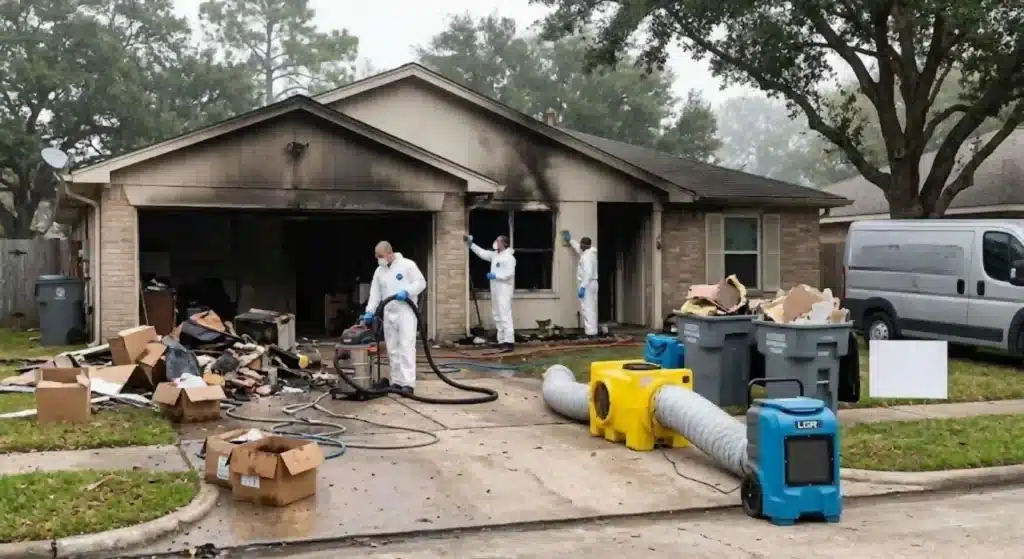
Job Story: Recovering a Houston Home Fire Damage Restoration
A Houston homeowner experienced a kitchen fire that was extinguished quickly, but smoke traveled throughout the home and water reached surrounding rooms.
Initially, the homeowner believed replacing visible materials would solve the problem.
During restoration assessment, technicians identified hidden smoke contamination and moisture inside affected areas. Emergency protection measures were completed first, followed by smoke removal, drying, deodorization, and structural restoration.
By approaching recovery as a complete restoration process instead of surface cleaning, the homeowner avoided recurring odors and long-term material deterioration.
This reflects a common challenge after fires: visible damage rarely tells the full story. Fire restoration processes frequently include board-up, cleanup, drying, odor removal, and rebuilding stages.
Document Everything for Insurance and Recovery Planning
One of the most important steps after a fire is documentation.
Helpful actions include:
- Photograph affected areas
- Record damaged belongings
- Save temporary expense receipts
- Maintain communication records
- Review insurance instructions before authorizing work
Community experiences frequently emphasize contacting insurance early, keeping records, and carefully evaluating contractors before signing agreements.
Professional Advantage: Why Fire Restoration Is Not DIY
Fire damage recovery involves more than debris removal.
Fire Damage Restoration may include:
Smoke and Soot Removal
Specialized cleaning methods remove residues safely.
Water Extraction and Drying
Reducing moisture after suppression efforts.
Odor Neutralization
Addressing lingering smoke inside materials.
Structural Restoration
Repairing damaged components while preparing the property for normal use.
Industry restoration processes rely on specialized equipment and trained technicians because smoke, soot, and moisture can continue affecting the property long after the fire is extinguished.
Community discussions also warn homeowners to avoid rushed contractor decisions immediately after a fire and to verify restoration providers carefully.
What Post-Fire Care Should Include
A complete Fire Damage Restoration plan often covers:
- Emergency property stabilization
- Smoke and soot cleanup
- Water removal and drying
- HVAC cleaning
- Odor treatment
- Structural repairs
- Final restoration and reconstruction
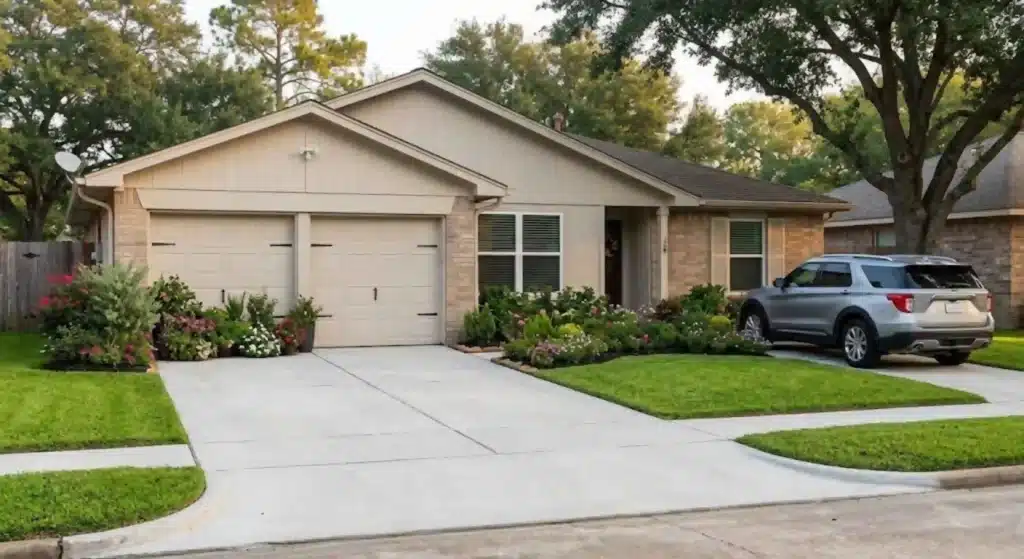
Professional fire restoration services coordinate these stages to return the property toward pre-loss condition while minimizing future issues.
FAQ
How soon should fire restoration begin?
Restoration should begin as soon as the property is declared safe to enter to reduce smoke and moisture damage.
Does firefighting water cause additional damage?
Yes. Water used during suppression may require extraction and drying to avoid additional property issues.
Can smoke odors return later?
If residues remain untreated, odors may continue affecting materials and indoor spaces.
Why hire professional fire restoration specialists?
Professional teams use structured restoration methods that address fire, smoke, water, and structural concerns together.
Ready to Restore Your Houston Property?
Post-fire recovery becomes more manageable with fast response, experienced restoration planning, and complete cleanup services.
Call today, request an inspection, or schedule a restoration assessment to begin protecting and rebuilding your property after fire damage.